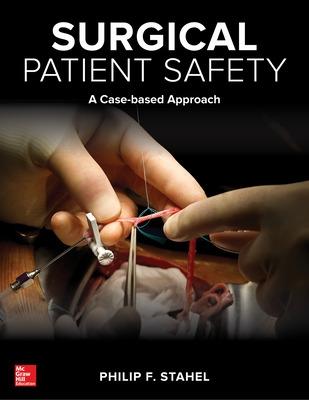
Surgical Patient Safety: A Case-Based Approach
 portes grátis
Surgical Patient Safety: A Case-Based Approach
Stahel, Philip
McGraw-Hill Education - Europe
03/2018
304
Dura
Inglês
9780071842631
15 a 20 dias
1089
Descrição não disponível.
I. General Aspects
Chapter 1: Definitions
Chapter 2: Non-Technical Aspects of Safe Surgical Performance
Chapter 3: Cognitive Errors
Chapter 4: Professionalism in Surgery
Chapter 5: The Surgical M&M Conference
Chapter 6: Evidence-based Medicine and Patient Safety
Chapter 7: Electronic Medical Records and Patient Safety
II. Practical Aspects
Chapter 8: Tips and Tricks of Effective Communication
Chapter 9: Tips and Tricks for Informed Consent and Shared Decision-Making
Chapter 10: Surgical Safety Checklists - Pitfalls and Pearls
Chapter 11: Strategies for Preventing Surgical Complications
Chapter 12: Intraoperative 'Rescue' Strategies
Chapter 13: How to Disclose Complications
Chapter 14: How to Become a Safe Surgeon
Chapter 15: How to Become an Empathetic Surgeon
Chapter 16: How to Become a Transparent Surgeon
III. Technical Errors
Chapter 17: Technical Errors in General Surgery
Chapter 18: Technical Errors in Abdominal Surgery
Chapter 19: Technical Errors in Thoracic Surgery
Chapter 20: Technical Errors in Vascular Surgery
Chapter 21: Technical Errors in Urological Surgery
Chapter 22: Technical Errors in Gynecological Surgery
Chapter 23: Technical Errors in Transplantation Surgery
Chapter 24: Technical Errors in Neurosurgery
Chapter 25: Technical Errors in Orthopedic Surgery
Chapter 26: Technical Errors in Spine Surgery
Chapter 27: Technical Errors in Emergency Surgery
IV. Case Examples of non-technical complications
Chapter 29: Case Example #1: Breakdown in Communication
Chapter 30: Case Example #2: Error in Judgment
Chapter 31: Case Example #3: The Preventable In-Hospital Death
V. Conclusion and Future Perspectives
Chapter 32: The Surgeon-Driven Initiative for Surgical Patient Safety
Chapter 1: Definitions
Chapter 2: Non-Technical Aspects of Safe Surgical Performance
Chapter 3: Cognitive Errors
Chapter 4: Professionalism in Surgery
Chapter 5: The Surgical M&M Conference
Chapter 6: Evidence-based Medicine and Patient Safety
Chapter 7: Electronic Medical Records and Patient Safety
II. Practical Aspects
Chapter 8: Tips and Tricks of Effective Communication
Chapter 9: Tips and Tricks for Informed Consent and Shared Decision-Making
Chapter 10: Surgical Safety Checklists - Pitfalls and Pearls
Chapter 11: Strategies for Preventing Surgical Complications
Chapter 12: Intraoperative 'Rescue' Strategies
Chapter 13: How to Disclose Complications
Chapter 14: How to Become a Safe Surgeon
Chapter 15: How to Become an Empathetic Surgeon
Chapter 16: How to Become a Transparent Surgeon
III. Technical Errors
Chapter 17: Technical Errors in General Surgery
Chapter 18: Technical Errors in Abdominal Surgery
Chapter 19: Technical Errors in Thoracic Surgery
Chapter 20: Technical Errors in Vascular Surgery
Chapter 21: Technical Errors in Urological Surgery
Chapter 22: Technical Errors in Gynecological Surgery
Chapter 23: Technical Errors in Transplantation Surgery
Chapter 24: Technical Errors in Neurosurgery
Chapter 25: Technical Errors in Orthopedic Surgery
Chapter 26: Technical Errors in Spine Surgery
Chapter 27: Technical Errors in Emergency Surgery
IV. Case Examples of non-technical complications
Chapter 29: Case Example #1: Breakdown in Communication
Chapter 30: Case Example #2: Error in Judgment
Chapter 31: Case Example #3: The Preventable In-Hospital Death
V. Conclusion and Future Perspectives
Chapter 32: The Surgeon-Driven Initiative for Surgical Patient Safety
Este título pertence ao(s) assunto(s) indicados(s). Para ver outros títulos clique no assunto desejado.
Surgery, patient safety, operating room, surgeons, medicine, medical, surgery cases, color surgery illustrations
I. General Aspects
Chapter 1: Definitions
Chapter 2: Non-Technical Aspects of Safe Surgical Performance
Chapter 3: Cognitive Errors
Chapter 4: Professionalism in Surgery
Chapter 5: The Surgical M&M Conference
Chapter 6: Evidence-based Medicine and Patient Safety
Chapter 7: Electronic Medical Records and Patient Safety
II. Practical Aspects
Chapter 8: Tips and Tricks of Effective Communication
Chapter 9: Tips and Tricks for Informed Consent and Shared Decision-Making
Chapter 10: Surgical Safety Checklists - Pitfalls and Pearls
Chapter 11: Strategies for Preventing Surgical Complications
Chapter 12: Intraoperative 'Rescue' Strategies
Chapter 13: How to Disclose Complications
Chapter 14: How to Become a Safe Surgeon
Chapter 15: How to Become an Empathetic Surgeon
Chapter 16: How to Become a Transparent Surgeon
III. Technical Errors
Chapter 17: Technical Errors in General Surgery
Chapter 18: Technical Errors in Abdominal Surgery
Chapter 19: Technical Errors in Thoracic Surgery
Chapter 20: Technical Errors in Vascular Surgery
Chapter 21: Technical Errors in Urological Surgery
Chapter 22: Technical Errors in Gynecological Surgery
Chapter 23: Technical Errors in Transplantation Surgery
Chapter 24: Technical Errors in Neurosurgery
Chapter 25: Technical Errors in Orthopedic Surgery
Chapter 26: Technical Errors in Spine Surgery
Chapter 27: Technical Errors in Emergency Surgery
IV. Case Examples of non-technical complications
Chapter 29: Case Example #1: Breakdown in Communication
Chapter 30: Case Example #2: Error in Judgment
Chapter 31: Case Example #3: The Preventable In-Hospital Death
V. Conclusion and Future Perspectives
Chapter 32: The Surgeon-Driven Initiative for Surgical Patient Safety
Chapter 1: Definitions
Chapter 2: Non-Technical Aspects of Safe Surgical Performance
Chapter 3: Cognitive Errors
Chapter 4: Professionalism in Surgery
Chapter 5: The Surgical M&M Conference
Chapter 6: Evidence-based Medicine and Patient Safety
Chapter 7: Electronic Medical Records and Patient Safety
II. Practical Aspects
Chapter 8: Tips and Tricks of Effective Communication
Chapter 9: Tips and Tricks for Informed Consent and Shared Decision-Making
Chapter 10: Surgical Safety Checklists - Pitfalls and Pearls
Chapter 11: Strategies for Preventing Surgical Complications
Chapter 12: Intraoperative 'Rescue' Strategies
Chapter 13: How to Disclose Complications
Chapter 14: How to Become a Safe Surgeon
Chapter 15: How to Become an Empathetic Surgeon
Chapter 16: How to Become a Transparent Surgeon
III. Technical Errors
Chapter 17: Technical Errors in General Surgery
Chapter 18: Technical Errors in Abdominal Surgery
Chapter 19: Technical Errors in Thoracic Surgery
Chapter 20: Technical Errors in Vascular Surgery
Chapter 21: Technical Errors in Urological Surgery
Chapter 22: Technical Errors in Gynecological Surgery
Chapter 23: Technical Errors in Transplantation Surgery
Chapter 24: Technical Errors in Neurosurgery
Chapter 25: Technical Errors in Orthopedic Surgery
Chapter 26: Technical Errors in Spine Surgery
Chapter 27: Technical Errors in Emergency Surgery
IV. Case Examples of non-technical complications
Chapter 29: Case Example #1: Breakdown in Communication
Chapter 30: Case Example #2: Error in Judgment
Chapter 31: Case Example #3: The Preventable In-Hospital Death
V. Conclusion and Future Perspectives
Chapter 32: The Surgeon-Driven Initiative for Surgical Patient Safety
Este título pertence ao(s) assunto(s) indicados(s). Para ver outros títulos clique no assunto desejado.